Vengeance

In recent years, the language of vengeance has crept into politics, carrying with it the temptation to confuse power with justice. Then former President Trump, addressing his followers, declared: “I am your justice … I am your retribution.”(C-SPAN, 2023). Since being re-elected, he has turned this rhetoric into a governing impulse: naming enemies, initiating investigations, and framing reprisal as justice (ABC News, 2025). Whether these actions stand on legal ground or political theatre is beside the point. What matters is the condition they reflect: that justice, once the restraint of power, is being recast as an instrument to be used against his adversaries, and in doing so, claiming the divine prerogative of vengeance. Can such a claim ever be legitimate. Can a state—or its leader—rightfully wield vengeance, or does that impulse always lie beyond the moral bounds of justice itself?
In Deuteronomy 32:35 we read, “To me belongeth vengeance, and recompence,” and in Romans 12:19 Paul echoes the same idea: “Dearly beloved, avenge not yourselves, but rather give place unto wrath: for it is written, Vengeance is mine; I will repay, saith the Lord.” These passages are not calls to passivity, but moral injunctions against personal revenge. They ask believers to embody forgiveness and patience rather than retaliation, allowing divine justice—not human anger—to restore moral balance. Only God, whose judgment is perfect and impartial, can dispense true justice.
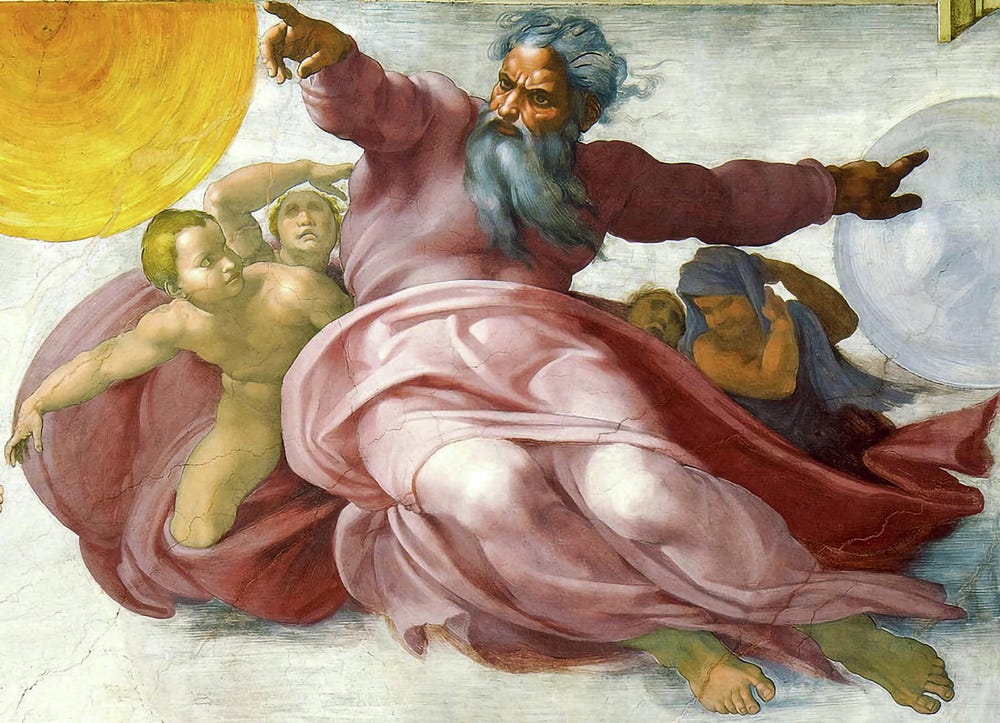
While people might create laws that measure punishment (e.g., Hammurabi’s Code) and guide actions within moral boundaries (e.g., the Ten Commandments) it is God who set the guiding principles. So “Vengeance is mine” belongs to a higher order of things that only He may decide, and in being separate, it transfers responsibility of vengeance from the volatile emotions of the individual to the perfect, unseen equilibrium of the divine. It halts the spiral of retaliation and offers consolation that justice, though delayed, is certain. In this sense, it marks the beginning of moral civilisation; the moment when restraint becomes an act of faith.
However, unlike traditional societies, the American constitutional order locates legitimacy not in divine command but in the collective will of a rational and moral people who agreed to govern themselves by reasoned principle rather than revelation. If legitimacy comes from the people and not from God, then moral limits once grounded in divine command can, in theory, be redefined by collective will. Therefore, one can no longer invoke divine authority to enforce moral or legal boundaries when the source of power lies in human consent. The framers of the Constitution understood this danger. Hence their system of checks and balances, designed to prevent majority passion from becoming law, and their appeal to Natural Law, a moral order discernible by reason, independent of both divine revelation and popular vote.
When a populace abandons traditional rationality and collectively endorses vengeance, the delicate framework of justice begins to fracture. The consent of the governed, unmoored from moral principle, becomes an instrument of rage. History shows how easily the will of the people can confuse punishment with righteousness, anger with order. That is the price—and the peril—of human sovereignty. Modern law survives only by cultivating a secular conscience: a discipline of restraint that aspires, however imperfectly, to the impartiality once attributed to God.
In all its forms—divine, moral, or civil—justice has always sought to restrain vengeance. The difference lies only in who holds that restraint: God, the state, or the conscience of humankind.