The DEI President

One of the more intriguing curiosities of our species — and there are many — is the tendency to declare moral victory just at the moment before we have run out of sense. Consider, if you will, the enthusiasm for Diversity, Equity, and Inclusion, or DEI — even though it has recently fallen into the trough of despair — and which, like so many well-intentioned creeds, has the air of a benevolent cult: every syllable improving, uplifting, and impervious to scrutiny.
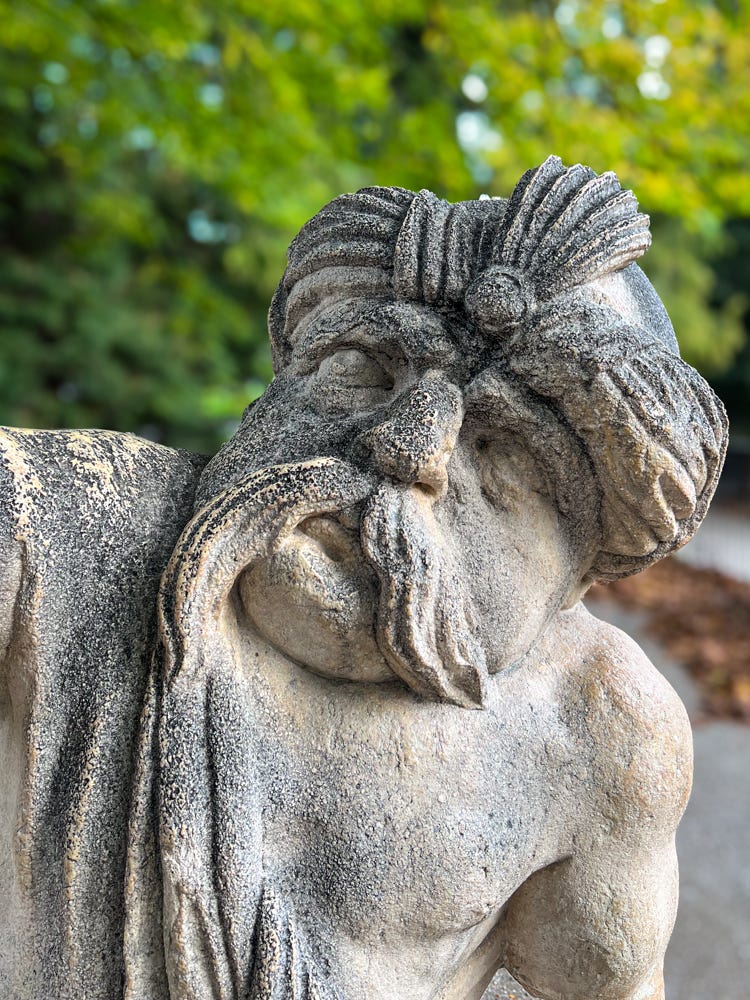
Now, these are all very fine things — no student of moral philosophy, sober or otherwise, would have objected to them — but within this triumvirate of virtue lies a curious omission of application. For while we rush to include the racialised, the misgendered, and the underpaid, we continue, with near-universal approval, to deride the one group to which all of us, with any luck, will one day belong: the old.
Ageism, as the learned now call it, is the last acceptable prejudice. The elderly are regarded as a deprecated demographic: too slow for the spreadsheet, too forgetful for the password, and too analog for the digital age. They are spoken of in the hushed tones once reserved for the leper and the mime artist. It is said they resist change — a slander easily refuted by observing how deftly they adapt to new ailments.
In the marketplace of human worth, the aged are priced like last season’s artefacts, not rare enough to be valuable, not new enough to be desirable. Their immeasurable social function as keepers of memory, transmitters of culture, and providers of unpaid childcare goes unrewarded by the accountants of GDP. Capitalism, ever pragmatic, finds them useful only in the funeral industry.
Now the critics of DEI — those guardians of what they like to call meritocracy — complain that positions are filled not on competence but on quotas. Perhaps. But the irony is exquisite: those appointed under the DEI banner are instantly presumed unqualified, while those excluded preen as victims of reverse discrimination. We have, at last, achieved a society in which everyone feels wronged — equality in its purest form.
And then, of course, there is politics, that curious theatre where illusion and reality change places twice before the curtain falls. One might suppose that the leaders of a nation require the nimbleness of mind usually found in people who can still remember where they parked their car. Yet it is as though the electorate, exhausted by intelligence and awareness, in search of a disruptor were desperate enough to experiment with anyone who mouthed the sacred shibboleths.
Perhaps we have misread the moment. Perhaps this is not hypocrisy at all, but fulfilment: the apotheosis of inclusion. For what could be fairer, what could be more democratic, than extending representation to those whose faculties have taken early retirement?
So let us give credit where it is due. Diversity has triumphed. Equity has advanced. Inclusion has embraced even the senescent. And thus, in an act of moral progress that future historians may struggle to footnote without laughter, America elected its first DEI President.